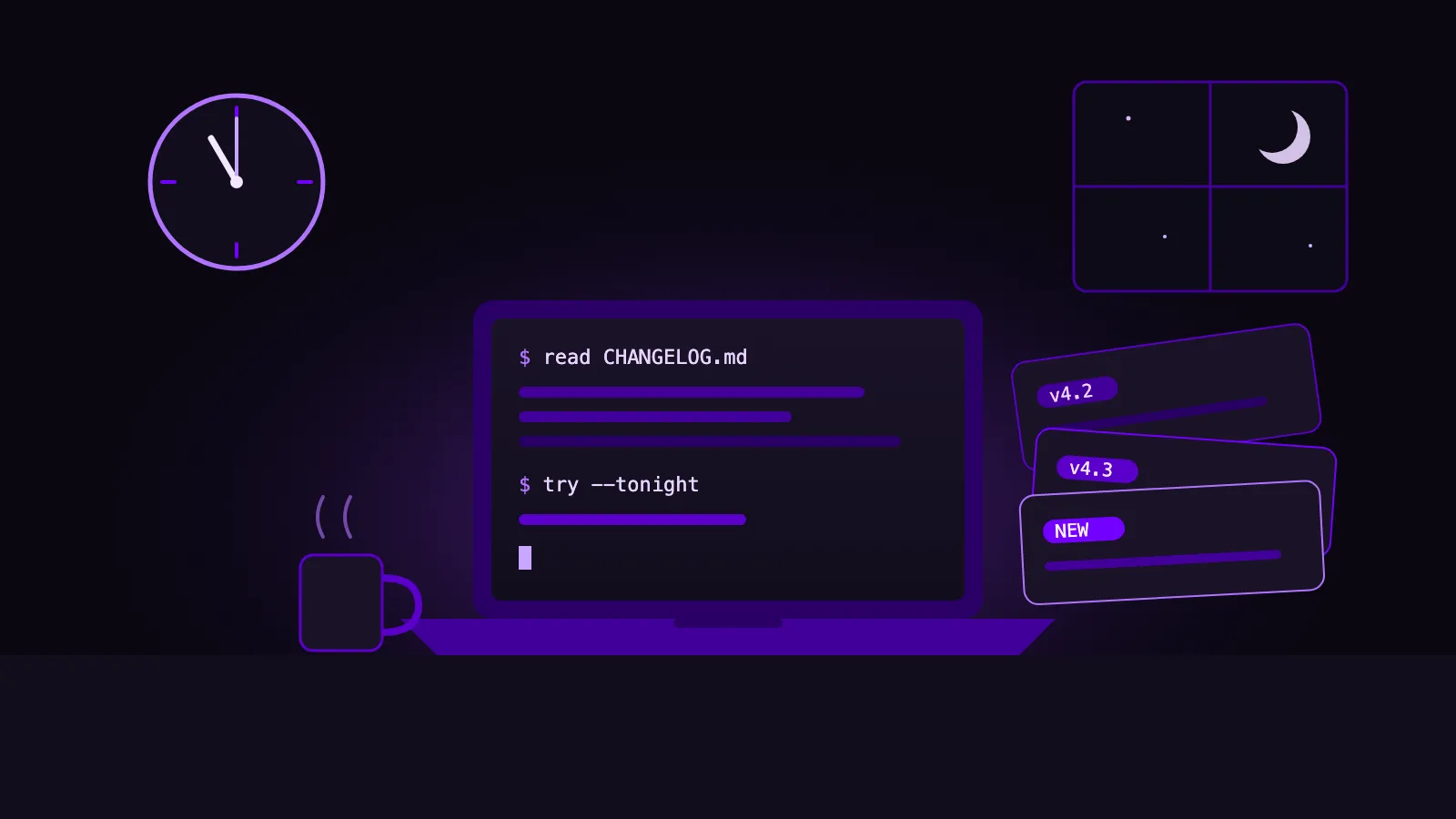
It's half ten on a Tuesday. I've got the laptop open on the sofa with three tabs: a changelog, a docs page I've read twice, and a terminal where I'm trying the thing that came out this afternoon.
That's most of my evenings now. Nobody asked me to do this. But tomorrow at stand-up someone will ask "have you seen the new release?" and I'd like a better answer than "I saw a post about it".
How it started
For years I kept up with my tools in the background. A framework would ship a major version once a year or so. You'd read the upgrade guide, try it on a side project, and roll it out once the dust settled. Other people found the sharp edges first.
AI tooling moves on a different clock. A model, an editor feature or an agent framework can go from announcement to "everyone's using it" in a week. Then a newer one lands and half of what you learned feels dated. I'd spend Monday evening getting my head round one approach, and by Thursday the advice had changed.
So the background task moved to the foreground, and into my evenings, because I had no other time left to give it.
What the evenings look like
It's less glamorous than it sounds. Mostly I'm:
Reading release notes in full, past the headline
Rebuilding something small I already understand with the new tool, so I can see the real difference
Breaking it on purpose to find where it falls over
Writing down what I'd tell the team, in plain words, so I'm not carrying a vague feeling into the morning
That last one matters most to me. As a tech lead I need a view on whether we should care about a new tool and what adopting it would cost us. I can't form that view from a launch video.
What it costs
Some nights it's fun. Getting something working that wasn't possible a month ago still gives me a buzz.
Other nights I feel like I'm running to stand still. I finish one thing and four more sit in the queue. I carry a low, constant sense of being behind, even when I'm not. And each evening I give to this is one I don't give to a book about anything other than software, or a run, or switching off.
It's changed how I feel about my own skills too. Tools now automate things I was proud of knowing. Patterns I spent years refining come out of a prompt in seconds. That stings. It took me a while to stop counting it as a loss and start asking where my value sits now.
What it gives back
The hours do pay off. I can walk into a client conversation and tell them what a tool will and won't do for them. I can spot hype, and I can spot the releases that will change how we deliver work. I can steer the team round dead ends I've already walked into.
My learning muscle is also stronger than it's been in years. I'd got comfortable. I knew my stack and my patterns, and new things arrived slowly. Now most weeks I'm a beginner at something. That's tiring, and it's been good for me.
What does the future look like at this speed?
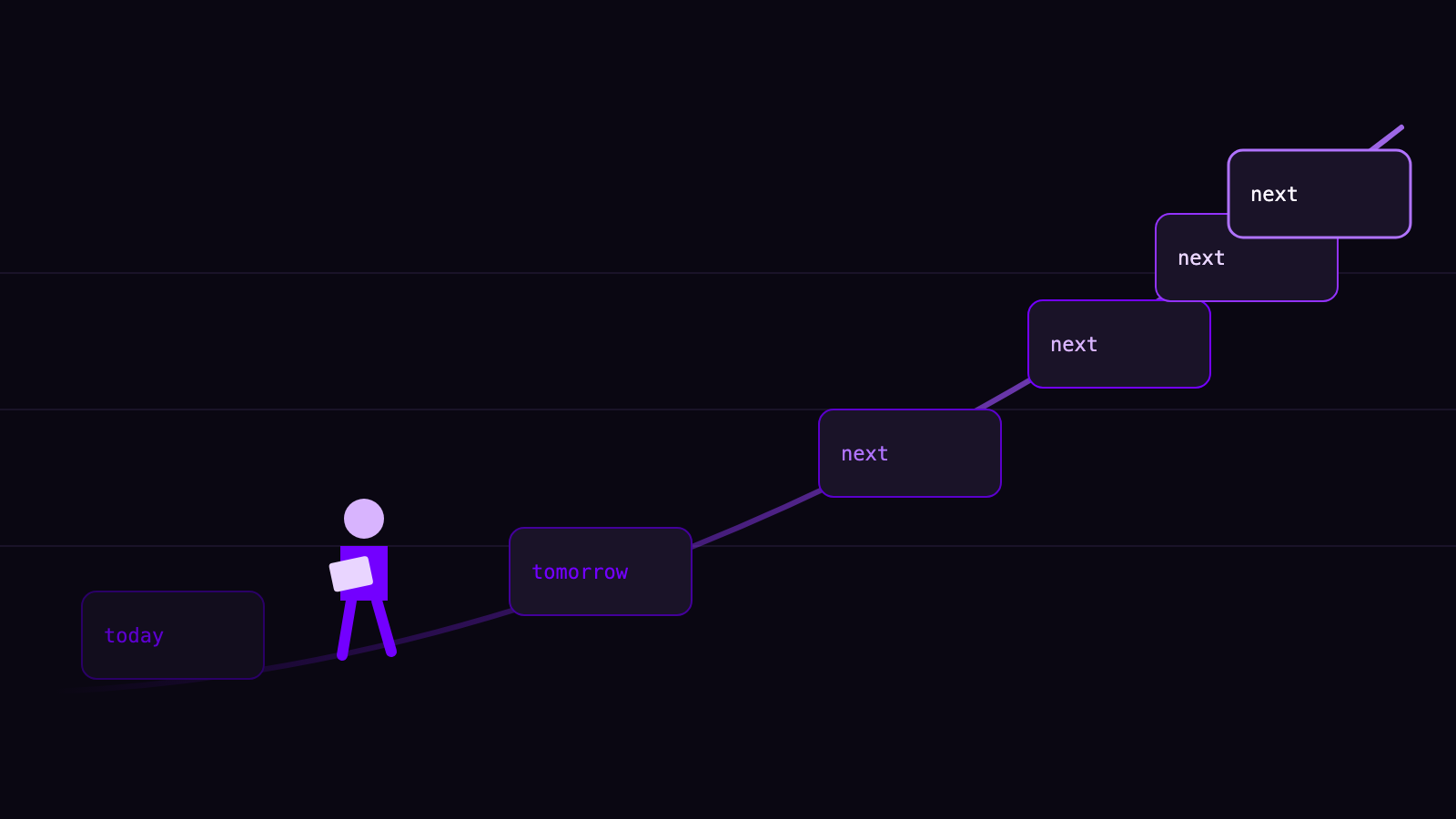
I keep coming back to this question on the late nights. If the pace holds or picks up, what does a working week look like in a few years?
My guess: learning moves inside the job. It can't keep living in people's evenings. That doesn't scale, and it burns people out. The teams that do well will make room for it during the day, with time set aside to try things, share findings and decide together what's worth adopting.
I also think the valuable skill shifts. Knowing an API by heart counts for less when a tool can look it up faster than you. Judgement counts for more. Are we solving the right problem? Is this output correct? Who gets paged when it's wrong in production at 3am? Tools won't answer those for you, and with more generated code to check, they get harder.
We'll also need to get better at letting things go. You can't learn everything, so I've started choosing what I chase. If a release doesn't touch something we build or a problem we have, it can wait. Most of what ships tomorrow doesn't need me tonight.
Where I've landed, for now
I'll keep spending some evenings with a laptop and a changelog. I enjoy it more than I moan about it. But I'm treating it as a choice now, and pushing more of it into the working day.
If you're staying up to get ahead of tomorrow's release too, I'd like to hear how you handle it: what you've let go of, and what you're holding on to. The releases aren't slowing down, so I reckon the way we keep up has to change.